
Implementing the Hanoi Convention to protect citizens in cyberspace
PSNews - On the sidelines of the United Nations Convention on Countering the Use of Information and Communications Technologies for Criminal Purposes (the Hanoi Convention), a seminar titled “Protecting citizens and building digital trust in the implementation of the Hanoi Convention” took place at the National Convention Center on October 26.
The event, co-organized by the National Cybersecurity Association (NCA) and the Anti-Scam Social Enterprise, emphasized the significance of the Hanoi Convention in building a safe and trustworthy cyberspace in Vietnam.
Speaking at the seminar, NCA Permanent Vice Chairman Lieutenant General Nguyen Minh Chinh affirmed that the signing of the Hanoi Convention not only marks an important milestone in multilateral diplomacy, but also represents a symbol of Vietnam’s strong commitment to global efforts to build a safe, transparent, and trustworthy cyberspace.
The Convention, he said, also demonstrates Vietnam’s stature, prestige, and capacity for international integration — a country with political stability, dynamic economic development, and an increasingly active role in international processes related to cyberspace governance.

"The seminar's theme reflects a human-centered spirit, placing people at the center of all digital transformation policies," Lieutenant General Chinh said.
He noted that, in the context of rapidly advancing artificial intelligence, new threats such as online fraud, privacy violations, and cognitive manipulation are becoming increasingly complex, requiring early detection, cross-sector collaboration, and global cooperation.
At the seminar, Mr. Ngo Minh Hieu, CEO of the Anti-Scam Social Enterprise shared his transformation story from a former hacker convicted in the United States to a cybersecurity expert working at the National Cyber Security Monitoring Center in Vietnam.
According to Hieu, damages caused by scams in Vietnam were estimated at 18.9 trillion VND (approximately 744 million USD) in 2024. On average, one in every 220 mobile users fell victim to fraud, while 66.24% experienced personal data leaks. Victims ranged from the elderly and students to office workers and laborers, showing that no group is immune in the digital era.

He then warned that vulnerable populations such as children, women, and persons with disabilities face the greatest risks online, while the capacity to respond to cyber threats is still “racing against time.” The seminar, he said, was an important step in turning the spirit of the Hanoi Convention into concrete action.
From a criminological perspective, Lieutenant Colonel, Dr. Dao Trung Hieu, a cybercrime researcher, noted that artificial intelligence is reshaping criminal behavior.
He warned that AI challenges the very foundation of social trust, enabling false realities that appear authentic; thus emphasizing that combating AI-driven crime requires international collaboration, as “no country can tackle these borderless, self-learning threats alone.”

Drawing from his experience, Dr. Hieu recalled the difficulties of international coordination in past cybercrime cases, when requests for assistance often went unanswered due to the absence of a shared legal framework.
“The Hanoi Convention fills that gap,” he said. “It establishes a foundation for mutual legal assistance, data sharing, and coordinated investigation enabling countries to stand together in the fight against transnational cybercrime.”
The seminar concluded with a shared message of the successful implementation of the Hanoi Convention will not only strengthen the legal tools for law enforcement but also protect citizens, rebuild digital trust, and foster a humane, secure cyberspace for the future.
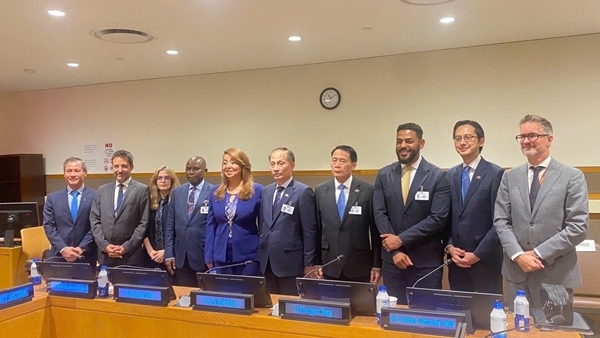 Vietnam promotes Hanoi Convention Signing Ceremony at 80th UN General Assembly High-Level Week
  UN Convention against Cybercrime opens for signature in Hanoi