
Spring Fair 2026 to promote Vietnamese goods, Tet traditions
By eliminating intermediary stages and linking producers, distributors and consumers more directly, the fair is expected to deliver more competitive prices than those on the wider market, and also improve transparency and strengthen consumer confidence in domestic products, particularly as interest in quality and traceability continues to rise.
Taking place during the peak “golden window” of the year-end market, the First Glorious Spring Fair 2026 is designed to align political, economic and cultural objectives, from supporting businesses and boosting production to developing the domestic market while celebrating the value of Vietnamese goods and the distinctive spirit of the traditional Lunar New Year (Tet).
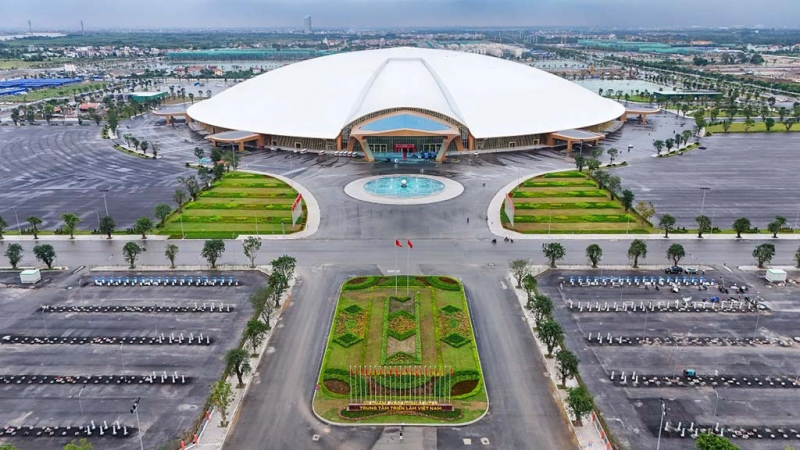
Speaking to the press, Vu Ba Phu, Director of the Vietnam Trade Promotion Agency (Vietrade) under the Ministry of Industry and Trade (MoIT), said the fair is positioned not merely as a Tet shopping event but as a key instrument in the ministry’s broader strategy to stimulate consumption, stabilise the market and sustain last year's economic growth momentum in 2026.
Scheduled for February 2–13, the event is framed as a Tet consumer shopping festival and is expected to deliver a strong demand stimulus. It will offer a large-scale, centralised shopping venue featuring high-quality products and regional specialties, enabling consumers to access a wide range of goods at reasonable prices.
Phu noted that the fair goes beyond retail activity to serve as a dynamic platform for promoting the “Made in Vietnam” brand and showcasing the image of a dynamic, well-integrated economy. To generate strong production momentum from the outset of the new year, the ministry has rolled out a comprehensive support plan covering the periods before, during and after the event.
A defining feature of the fair, he said, is the seamless integration of the three pillars of politics, economy and culture. The event reflects the Party and State’s determination to strengthen the domestic market, stimulate consumption and support enterprises, while also embodying a governance approach in which the State plays a facilitating and accompanying role in trade promotion, domestic market development and international integration for export growth.
Economic considerations form the central axis of the fair, evident in its national scale, value-chain-based exhibition content, supply – demand linkages, and connections between production, distribution, the domestic market and international markets.
Cultural elements are embedded through spaces recreating traditional and regional Tet customs, alongside zones highlighting local cultures, craft villages, cuisine, arts and cultural industries. These elements act as a “soft catalyst” for trade promotion, helping to project Vietnam’s image and people while enhancing the value and competitiveness of Vietnamese products at home and abroad.