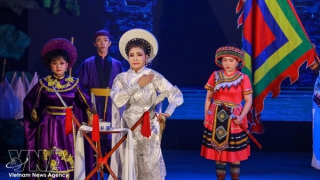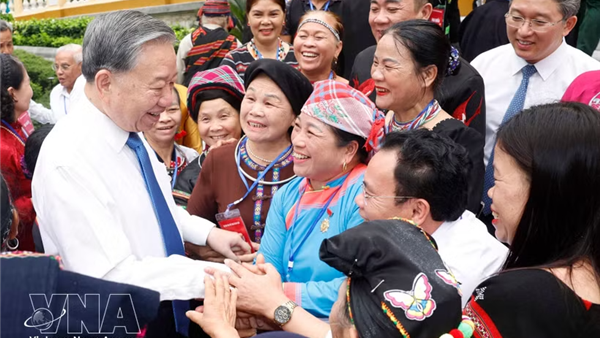
Only when culture is nurtured basing on the self-awareness and pride of each individual can it exist and develop sustainably, remarked Party General Secretary and State President To Lam.

Only when culture is nurtured basing on the self-awareness and pride of each individual can it exist and develop sustainably, remarked Party General Secretary and State President To Lam.
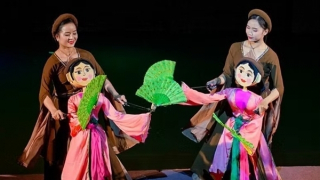
Although widely regarded as a cultural “speciality” attracting tourists, Vietnamese puppetry is facing multiple challenges in preservation and development, requiring renewed efforts to both safeguard its identity and adapt to contemporary cultural currents.
By 2030, the project targets the establishment of shared digital platforms across 100% of cultural sectors. All digitised cultural heritage will be standardised under the national data framework and shared in accordance with regulations, while 80% of public digital heritage assets are expected to receive digital identifiers to clarify ownership and management, encouraging organisations and individuals to do the same and support market development.
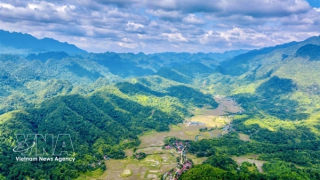
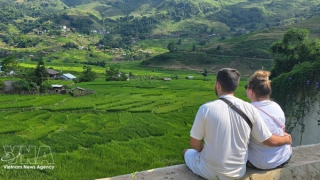
Vietnam has in recent years undergone a notable transformation in its tourism development strategy, placing a strong emphasis on nature-based and eco-tourism. This shift is not merely aligned with global trends, but represents a necessary step towards safeguarding valuable natural resources, while appealing to a growing segment of environmentally conscious travellers.
China and the Republic of Korea (RoK) continued to lead as Vietnam’s largest source markets in the quarter, with 1.4 million and 1.3 million visitors respectively, accounting for around 40% of total arrivals.
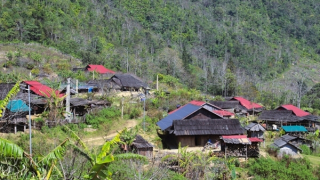
Nestled in the remote border area of Nghe An province, Huoi Man hamlet is often affectionately referred to by local residents and visitors as the “hamlet at the top of the sky.”
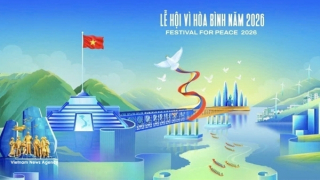
The design centres on a white dove – the global symbol of peace – carrying a golden rice ear and three flowing multicoloured silk ribbons.
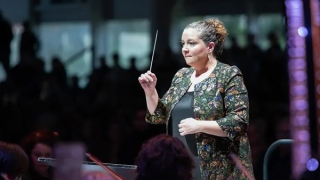
In Hanoi, the VNSO concert will take place on April 11 at the Vietnam National Academy of Music’s Great Hall, featuring Symphony 92 by Joseph Haydn, Claude Debussy’s Petite Suite and Georges Bizet’s Carmen Suites 1 and 2.
Vietnam’s tourism sector continues to show resilience and a shift toward more sustainable growth, supported by steady demand and evolving travel preferences.
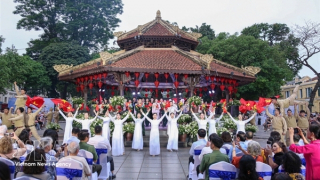
From community art spaces to large-scale international events, and from policy direction to concrete action, the capital is shaping a vibrant cultural industries ecosystem. This effort is helping to define the image of a creative, globally integrated, and sustainable city in the new era.
Amid rising costs and increasingly cautious consumer sentiment, Vietnam’s tourism market is undergoing a notable reset, with both domestic and international travellers gravitating toward shorter, more flexible and experience-driven journeys.
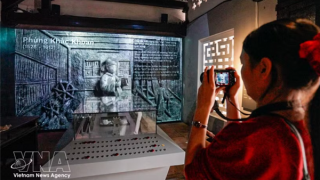
Vietnam’s cultural scene has become more vibrant with the regular presence of international-standard performances.
During the period, the city has welcomed more than 1.9 million visitors, up 31.3% year-on-year. Of the total, international arrivals exceeded 843,000, rising 26.7%, while domestic visitors reached over 1.05 million, up 35.2% compared with the same period last year.
Hanoi plans a new 2,500-seat theatre valued at 2 trillion VND (75.9 million USD) on Vo Thi Sau street in Bach Mai ward.
The Vietnam Youth Development Strategy for 2021–2030 positions youth at the heart of efforts to cultivate and harness human resources, recognising them as a dynamic and pioneering social force in national construction and defence.
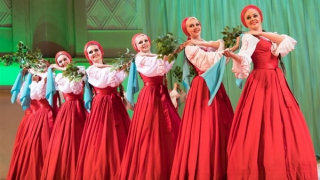
The Russian Culture Days in Vietnam 2026, taking place in Hanoi and Ho Chi Minh City from March 23 to 27, are expected to further strengthen cultural exchanges and deepen the traditional friendship between the two nations.
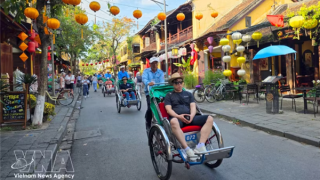
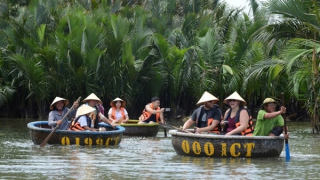
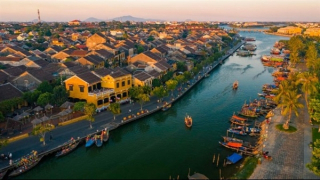
UNESCO-recognised World Heritage site Hoi An in Da Nang city has been named among the world’s 51 most beautiful destinations in 2026 by Time Out, a UK-based global media platform specialising in travel, culture, food, and events.